
Let’s Migrate QuickBooks Desktop to QuickBooks Online Securely

Feb 18, 2026

Admin |

Estimated Read Time : 5 MIN

Considering a move to cloud-based software can be a smart decision for better automation, remote accessibility, and reduced dependency on a single device—especially with growing concerns around the future of QuickBooks Desktop.

However, it’s completely normal to have questions about migrating your data safely. Business owners often worry about data loss, broken reports, mismatched balances, or downtime during the transition. The good news is that with the right approach, tools, and preparation, migrating from QuickBooks Desktop to QuickBooks Online can be a smooth and secure process—without compromising your financial data or daily operations.

Is migration right for you?

Review the following two sections to better understand whether moving from QuickBooks Desktop to QuickBooks Online using our internal tool is the right choice for your business. These sections outline key considerations, limitations, and feature differences to help you make an informed decision before starting the migration process.

What you need to know before migrating

QuickBooks Online and QuickBooks Desktop each offer powerful capabilities, but a few key factors should be reviewed before deciding to make the move.

  • QuickBooks Online operates differently from the Desktop version, and certain features may change, convert differently, or require setup adjustments after migration.
  • Companies with very large or highly detailed files—such as extensive inventory or many years of historical data—may face conversion limitations or performance challenges.
  • For Canadian businesses, QuickBooks Enterprise cannot be migrated directly to QuickBooks Online.

Before beginning the conversion, evaluate the tools and features your business relies on day to day. A feature comparison chart can help highlight these differences and support your decision.

I use QuickBooks Desktop to…Can be done in QuickBooks OnlineCan be done in QuickBooks Desktop
Access my company file and manage my data
Back up my dataAll editionsAll editions
Revert to the prior version of my company fileAdvancedAll editions, with backups
Work with my accountantAll editionsAll editions
Access my company file remotelyAll editionsAll editions**
Allow multiple users to access my company fileEssentials, Plus, AdvancedAll editions
Maintain multiple company filesRequires additional subscriptionsAll editions
Work with multiple QuickBooks windows open at onceAll editionsAll editions
Work with my customers
Create and manage invoices and bill customersAll editionsAll editions
Create and manage estimates, send to customers, convert to invoices, and use progress invoicingAll editions; progress invoicing in Plus and Advanced onlyAll editions
Track sales, accept payments, and calculate sales taxAll editions, with QuickBooks PaymentsNot available 
Track sales and expenses in multiple currenciesEssentials, Plus, AdvancedAll editions
Track projects, including time expenses, pending payments, and unbilled workPlus, AdvancedAll editions
Invoice with batch invoicingNot availableAll editions
Prevent sales to customers with overdue invoicesNot availableNot available
Work with my suppliers
Manage bills and pay my suppliersEssentials, Plus, AdvancedAll editions
Billable expensesPlus, AdvancedAll editions
Track and manage contractorsAll editionsAll editions
Manage employee data
Track employee time, including billable hoursEssentials, Plus, AdvancedAll editions
Pay employees, efile payroll taxes, and print and file T4sAll editions, with Enhanced PayrollAll editions, with Payroll subscription
Use online banking
Connect to my bank, download transactions, and reconcileAll editionsAll editions
Undo previous bank reconciliationsBy an accountant, in QuickBooks Online AccountantAll editions
Manage inventory
Use the FIFO method to track inventory quantities, sales revenue, and COGSPlus, AdvancedNot available
Use the Average Costing method to track inventoryNot availableAll editions
Set and manage inventory reorder pointsAll editionsAll editions
Create and run reports
Track income and expenses and organize according to tax categoriesNot availableNot available
Run custom profit and loss, expense, and balance sheet reportsNot availableNot available
Forecast sales and expensesPlus, AdvancedPremier
Create custom reports with Intuit Statement WriterNot availableNot available
Use Advanced ReportingNot availableNot available

*Online backups require an active Intuit Data Protect subscription.
**A remote desktop application, terminal server configuration, or third-party hosting service is required.

If any of these requirements create challenges for your business, migrating at this time may not be the best option.

QuickBooks Desktop to Online Conversion: What’s Included and What’s Not

When you switch from QuickBooks Desktop to QuickBooks Online, most of your company data moves over automatically, so you won’t need to re-enter everything. That said, not all information converts exactly the same way.

Some data may look different after the migration and might require minor adjustments. Any information that doesn’t convert will not transfer and must be added again manually.

For a detailed breakdown, check out our article on how data is converted from QuickBooks Desktop to QuickBooks Online.

  • Typically transfers (may need adjustments): customer and supplier lists, transactions, account balances, chart of accounts, and similar data.
  • Does not transfer and requires manual setup: certain payroll information, company details (such as name and address), bank and credit card connections, custom templates, and features that don’t align between Desktop and Online.

How to Prepare for the QuickBooks Migration 

Prepare for your QuickBooks migration by ensuring you’re using the latest version, securing your data by creating a backup of your company file, and much more, which we’ll discuss in the sections below:

1. Back up your company file

Creating a backup of your company file before the migration ensures your data is secure in case anything goes wrong during the migration, so you don’t have to worry about data loss. It also allows you to easily restore your information and resume operations with minimal disruption if any unexpected issues arise.

2. Update QuickBooks Desktop

An up-to-date version of QuickBooks Desktop is necessary to ensure all the features updated and you use the most recent security patches. This often hampers the general processes, such as migration, running payroll, managing accounting, or bookkeeping. 

3. Check your Total Targets

Next, check your Total Targets in QuickBooks Desktop by pressing Ctrl+1 to open the Product Information window. Look for the number under File Information.

If your Total Targets exceed 1,200,000 in Canada or 500,000 in the UK and South Africa, only a list and balances can be converted. Instructions for this type of conversion are available on our website.

4. Remove Ministère du Revenu (for businesses outside Quebec only)

  • Go to Suppliers and open the Supplier Centre.
  • Find Ministère du Revenu.
  • Open the supplier record.
  • Go to Sales Tax Settings.
  • Uncheck all the boxes.
  • Set the supplier as inactive.
  • Click OK to save and close.

5. Disable payroll in the QuickBooks Desktop company file

Important: To prevent problems after migration, turn off payroll in QuickBooks Desktop before starting.

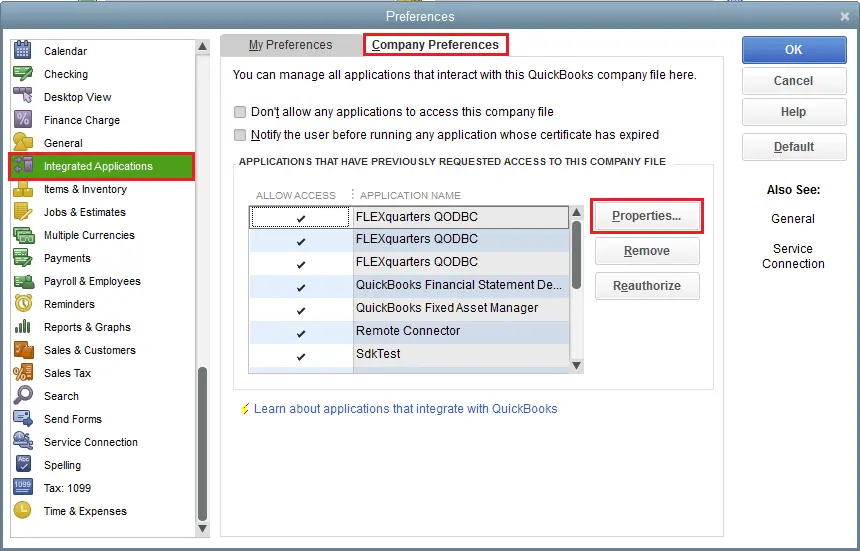
  • Go to Edit > Preferences.
  • In the Preferences window, select Payroll & Employees on the left.
  • Click the Company Preferences tab.
choose Company Preferences
  • Choose the No payroll option.

6. Save your Sales Tax Liability report

Before starting the migration, save or print your Sales Tax Liability report. You’ll need it later to record adjustment entries in QuickBooks Online. Here’s how to do it step by step:

  • From the Reports menu, select Suppliers & Payables.
  • Click on Sales Tax Liability to open the report.
  • From the Dates dropdown, choose All to include all relevant data.
  • Click the Print dropdown and select Save as PDF.
  • Choose the folder where you want to save the report, give it a clear name, and click Save.
  • After saving the file, you can print a hard copy for a physical backup.

Keeping this report handy ensures you have a reference for all your sales tax balances and makes post-migration adjustments easier and more accurate.

7. Export your reports and lists

Note: Exporting is optional and typically only needed if your company has over 1,200,000 records. If not, you can skip this step and move on to creating your QuickBooks Online account.

Exporting your lists before migrating can save time, as it prevents you from having to recreate each item individually in QuickBooks Online. Here’s how to export reports and lists from QuickBooks Desktop:

  • In QuickBooks Desktop, open the Reports menu and click on Report Centre.
  • Open the report you want to export.
  • Choose the date range using the Dates dropdown menu.
  • On the toolbar, select Excel. You can also choose Print or Email if you want to save the report as a PDF.
  • From the Excel dropdown, pick Create New Worksheet to start a new Excel file, or Update Existing Worksheet to add the report to an existing file.
  • Click Export and choose where to save the workbook on your computer.
  • If you want to customize the formatting, select Advanced—this step is optional.
  • If a message appears saying your report has too many columns, go to Advanced, uncheck Space between columns, and select OK.
  • When ready, click OK to complete the export.

Exporting your data ensures you have a complete backup of your reports and lists, making the transition to QuickBooks Online smoother and faster.

8. Set Up a QuickBooks Online Account

Sign up for your QuickBooks Online subscription and prepare for the migration. Review the available plans to choose the one that best fits your needs, and check our system requirements to ensure a smooth QuickBooks Online experience.

Important: You can only move your company file within 60 days of signing up for QuickBooks Online. Be sure you’re ready to convert within that window.

When prompted to sign in, use the same user ID and password as your QuickBooks Desktop account. If you’ve forgotten your credentials, reset your QuickBooks Desktop password.

Do not set up your QuickBooks Online company yet—we’ll handle that in the next step. We’ll do that in the next step.

How to migrate your company file data

When you are ready to export your QuickBooks Desktop file to QuickBooks Online. The steps vary depending on your Desktop edition:

QuickBooks Desktop Pro or Premier

  • Sign in as an admin to the company file you want to migrate.
  • Go to the Company menu and select Export Company File to QuickBooks Online.
  • Click Get started.
  • Choose Select Destination and sign in to your QuickBooks Online account.

QuickBooks Desktop Enterprise

  • Log in as an admin to the company file you want to migrate.
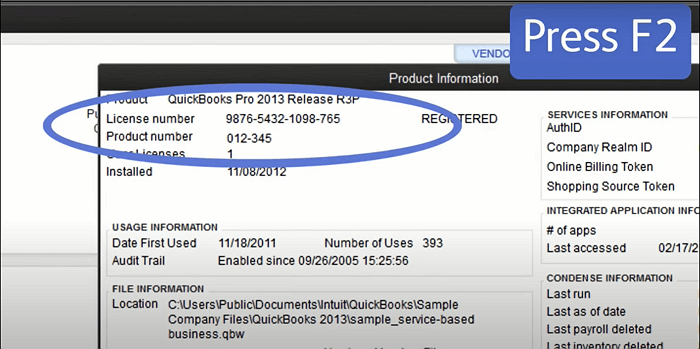
  • Press F2 to open your product information.
License Information and a product key
  • While the product information window is open, press CTRL + B + Q, then select OK at the bottom to start the export.

If you also use the track inventory feature in QuickBooks Desktop:

  • Select Yes to bring your inventory items over, and specify the starting date.
  • Select No to set up new items in QuickBooks Online at a later time.

After the conversion is complete:

  • You’ll receive an email from QuickBooks. Click the Complete your setup button in the email.
  • Sign in to your QuickBooks Online account and select the company file you just imported.

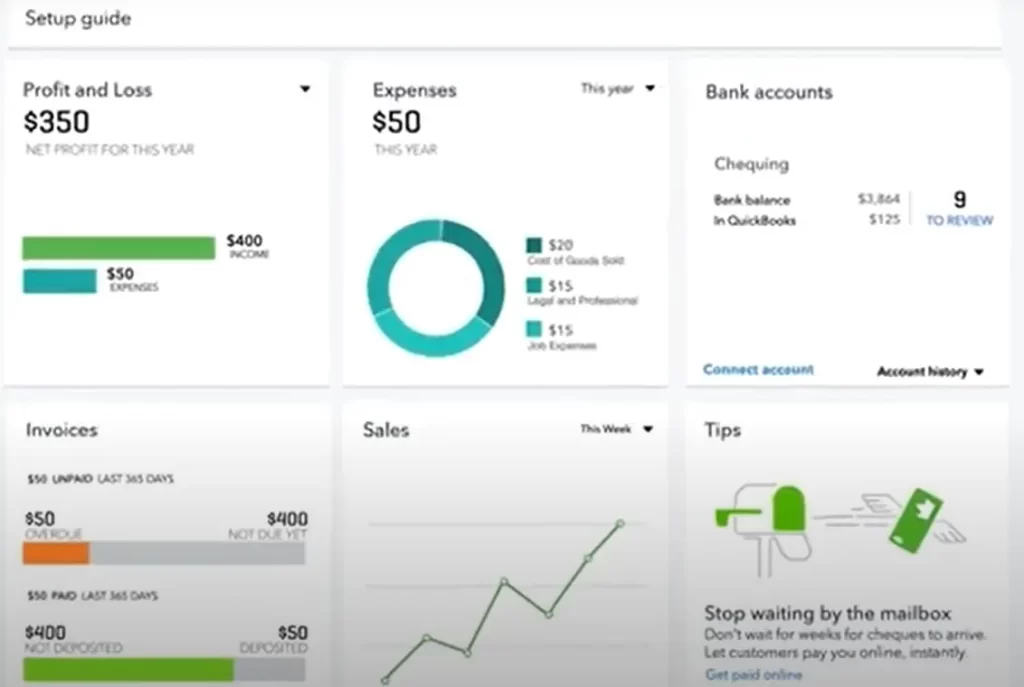
Once you’ve signed in, your QuickBooks Online dashboard will open, and your data will be ready to use.

Move your lists

Previously, you exported your lists from QuickBooks Desktop to prepare them for import into QuickBooks Online. Each type of list—such as customers, suppliers, or items—has its own specific set of steps for importing. Select a list below to see detailed instructions for bringing that data into QuickBooks Online accurately.

  • Chart of Accounts
  • Products and Services
  • Customer
  • Supplier

Set up inventory

To start tracking inventory in QuickBooks Online, follow these steps:

  • Open Settings and go to Account and Settings.
  • Click on the Sales section.
  • In Products and Services, select Edit.
  • Enable the Show Product/Service column on sales forms so it appears on invoices and sales entries.
  • Turn on “Track quantity and price/rate” and “Track inventory quantity on hand” to manage inventory levels and pricing automatically.
  • Click Save, then Done to finalize your settings.
  • After finishing these steps, QuickBooks Online will track inventory items and update stock levels whenever you sell or buy.

QuickBooks Online tracks inventory costs from the selected inventory start date using the First-in, First-out (FIFO) method. All transactions dated on or after this start date are recalculated based on FIFO. To avoid adjusting previous tax filings, it’s best to set the inventory start date as the day after your company’s last tax filing period.

Important: If you prefer not to use FIFO or enable inventory tracking during setup, select No, which will keep inventory and quantity tracking turned off. You can change these settings later, but doing so will require creating new inventory items from scratch. If you’re unsure which option is best, consulting a tax professional is recommended.

To add inventory items in QuickBooks Online, follow the steps in our guide. Once set up, you can easily track products and include them on sales forms. QuickBooks automatically updates quantities on hand as you sell or receive items, so manual adjustments aren’t needed.

What to do after you migrate

Before you start using QuickBooks Online, there are a few important tasks you should complete. It’s best to handle these right away, before making any changes to your data or entering new transactions.

Once the migration is finished, go through the checklist below to ensure all of your data transferred correctly. This is also a good time to add any information that wasn’t included in the migration.

1. Check your data by comparing reports

Compare the reports listed below in both QuickBooks Online and QuickBooks Desktop to confirm that your data was transferred accurately. Make sure the reports match in both systems so you can be confident the information was carried over correctly.

  • Balance Sheet Report
  • Trial Balance – All Dates
  • Customer Balance Summary – All Dates
  • Supplier Balance Summary – All Dates
  • Sales Tax Summary Report for the most recent period
  • Any other reports you’d like to check

To make sure your data is transferred correctly, compare the reports in both QuickBooks Online and QuickBooks Desktop. In each system, run the same reports using All Dates and set the accounting method to Accrual. Reviewing the reports side by side will help confirm that the information matches in both versions.

2. Confirm company settings

While your accounting data will transfer to QuickBooks Online, certain details—like your company name, address, and email—do not. Enter this information manually in your QuickBooks Online account using the steps below:

  • Select the Settings (gear) icon and go to Account and Settings.
  • Go to the Company tab and fill in your company and contact details.
  • In the Company email field, enter the address where you want to receive your monthly
  • QuickBooks Online subscription invoices from Intuit.
  • Enter an alternate email in the Customer-facing email field if you want a different address for customer communications.
  • Click Save to finalize your changes.

This ensures both your subscription notifications and customer communications are directed to the right email addresses.

3. Set Up Your Sales Tax Settings

It’s important to configure sales tax properly in QuickBooks Online with the accurate CRA Business Number and filing frequency before starting to use the feature. In case your business isn’t registered for the sales tax, you can skip the following steps.

  • Follow this link to complete the steps in the product.
  • Choose Set up sales tax.
  • Now, select the province or territory where you do your you do business. Then, click Save.
  • Enter the required information on the prompted screen and click Next
  • Again, click OK on the prompted screen. 
  • If required, return and edit these settings at any time. 

4. Connect bank and credit card accounts

For security reasons, your bank and credit card details are not transferred when moving from QuickBooks Desktop to QuickBooks Online. You’ll need to reconnect your accounts manually in QuickBooks Online. To do this, follow the steps below:

  • Follow this link to complete the steps in the product.
  • On the main page, select Connect Account, or choose Add account if you’ve already started setting one up.
  • Search the list and choose your bank.
  • Click Continue, then enter the same username and password you use to log in to your bank’s website when prompted.
  • Choose the bank and credit card accounts you want to connect.
  • For each account, select the correct account type from the dropdown menu. These should match the accounts already listed in your chart of accounts.
  • Select the date range for the transactions you wish to download.
  • Finally, select Connect to finish linking your accounts.

5. Clean up bank reconciliations

Because you haven’t completed a bank reconciliation in QuickBooks Online yet, the system assumes that none of your bank transactions have been reconciled. You’ll need to let QuickBooks know that all transactions up to the conversion date are already reconciled. This ensures that only transactions after the conversion date will be included in future reconciliations.

To do this, follow these steps:

  • Select Settings (the gear icon), then choose Reconcile.
  • From the dropdown, pick your bank account. Input the Ending Balance and Ending Date, and click Reconcile Now.
  • QuickBooks will display a list of transactions. Select the checkbox at the top to choose all transactions. If the transactions appear in two columns, make sure everything in both columns is selected.
  • Review the list and uncheck any transactions that have not yet cleared.
  • Once the Difference shows zero, the reconciliation is complete.
  • Select Finish Now to save.

Repeat these steps for each bank or credit card account connected to QuickBooks Online.

6. Link Payments and Credits to Open Invoices

When transactions are imported into QuickBooks Online, payments aren’t always automatically matched to the corresponding invoices. As a result, some customer or vendor names may appear with a zero balance in your Accounts Receivable (A/R) or Accounts Payable (A/P) aging reports, even though payments or credits have been applied.

To fix this, you can enable the option that allows QuickBooks to automatically apply credits and payments to open invoices. This helps keep your reports accurate and reduces the need for manual matching.

Here’s how to turn it on:

  • Click the Settings (gear icon) in the top-right corner.
  • Select Account and settings.
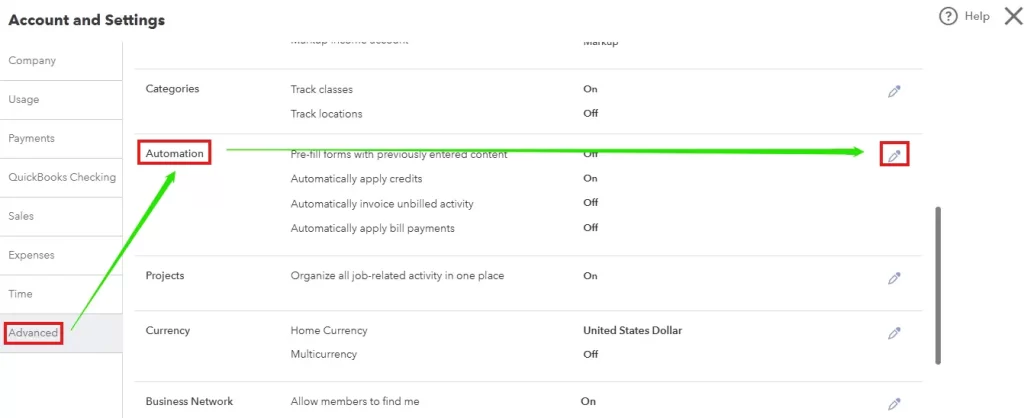
  • Open the Advanced tab.
  • Turn on Automatically apply credits, then click Save.

Once enabled, QuickBooks will link available credits and payments to open invoices for you, keeping your balances organized and up to date.

7. Review your accounts’ detail types

After the conversion, QuickBooks Online keeps your existing sub-account structure. It also adds a Detail type classification level, which helps organize accounts more accurately.

During the conversion, QuickBooks automatically assigns detail types where possible. If it’s unsure, it uses a general option like Other Miscellaneous Income. You can review and update these by running the Account Listing Report to check and edit the detail types as needed.

  • Follow this link to complete the steps in the product.
  • Locate and open the Account List report.
  • Go through the list of accounts.
  • Click an account name to edit its detail type.
  • Choose the correct option from the Detail Type drop-down menu.
  • Select Save and Close to apply the updates.

8. Complete Payroll Setup

Transactions and payroll accounts are converted to keep your books balanced, but the detailed information behind them—such as payroll item breakdowns and employees’ year-to-date totals—does not transfer.

Also, liability refunds, adjustment entries, and opening balance transactions that impact accounts are converted into journal entries.

To finish setting up your payroll:

  • Follow this link to complete the steps in the product.
  • In the Paid in [Year] column, make sure Yes is selected for every employee who has received a paycheck this year. Employees who were not paid during the current year will already be marked as No.
  • Click Complete payroll setup to review or enter your employees’ details and year-to-date payroll amounts.
  • Follow the instructions shown on the screen to finish the setup process.
  • When everything is ready, select Run Payroll to start paying your employees.

If your payroll items from QuickBooks Desktop were not automatically matched with standard QuickBooks Online pay types, you may be prompted to map them manually. Follow these steps to complete the mapping:

  • In the QuickBooks Online column, click the dropdown menu (Choose one).
  • Select the pay type that most closely matches how the item was set up in your Desktop company file.
  • To avoid mistakes, it’s a good idea to open your QuickBooks Desktop file and review how each payroll item is configured.
  • After mapping an item, click Save and close.
  • Repeat these steps for all remaining items that need mapping, then click Continue.

If you don’t see any options to select:
Some imported pay types are not supported in QuickBooks Online Payroll. In this case, choose Skip for now at the bottom-right of the screen.

Keep in mind that if you select Skip for now, you won’t be able to return and map those pay types later. You will need to manually create new pay types for your employees in order to finish setting up payroll.

9. Link your Payments account

You can’t move your existing QuickBooks Payments account into QuickBooks Online, but you can set up a new one without any problem. To turn on Payments in QuickBooks Online, follow these steps:

  • Click the Settings (gear icon) and choose Account and settings.
  • Go to Payments, then click Learn more beneath QuickBooks Payments.
  • Choose Set up Payments to open the signup window with three sections.

Complete each section:

  1. Business: Click Start, enter your business details, then select Next.
  2. Owner/Proprietor: Click Start, fill in the required information, and select Next.
  3. Bank: Click Start, choose Add a new bank connection, and search for your bank.
  4. Select the bank account where customer payments should be deposited.
  5. Enter your online banking login details and click Connect.

After finishing all sections, select Activate Payments to complete the setup.

10. Add users 

Before adding new users to QuickBooks Online, make sure you assign the correct level of access based on what they need to do. You can review your existing users by going to Settings (gear icon) > Manage users.

To add a new user:

  • Select the Settings (gear) icon, then click Manage Users.
  • Click Add user.
  • Choose the user type you want to set up. Depending on your selection, additional permission options will appear.
  • Provide the user’s name and email, then click Save to continue.

Once completed, QuickBooks will send an email invitation to the new user. Ask them to open the email and follow the link to sign in or create their account to get access.

11. Invite an accountant

QuickBooks Online allows up to two accountants to be added for bookkeeping support.

To send an invitation, you can use either of the following methods:

Option 1: Using the direct link

Option 2: From your QuickBooks Online settings

  • Click the Settings (gear icon) in the top-right corner.
  • Select Manage users.
  • Go to Accounting firms.
  • Click Invite.
  • Enter the required information, then click Save.

Troubleshoot Common Issues & Errors When Migrating 

Below are some common issues and errors that may occur during data migration and can cause the process to fail. To ensure an uninterrupted and successful migration from QuickBooks Desktop (QBDT) to QuickBooks Online (QBO), follow the steps outlined below carefully.

1. Rebuilding the company file data

If you encounter issues while importing your company file from QuickBooks Desktop for Windows into QuickBooks Online, you can usually fix the problem by rebuilding your data file and then restarting the export process.

  1. a. Verify your company data
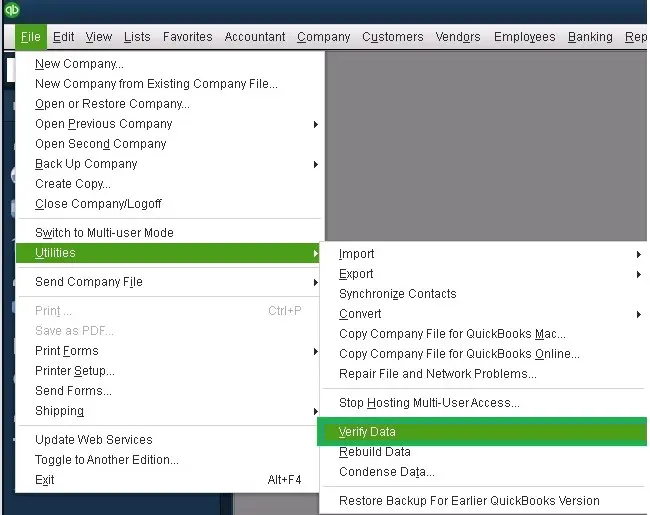
  • In QuickBooks Desktop, go to Window and choose Close All to close any open windows.
  • Next, go to File > Utilities > Verify Data.


If QuickBooks detects any issues with your company file, proceed to Step 2: Rebuild Your Company Data below to fix the problems.

  1. b. Rebuild your company data to repair problems
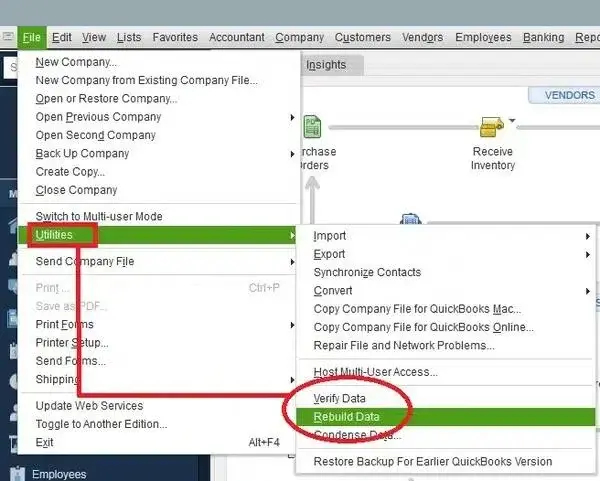
  • Go to the Window and choose Close All to close any open windows.
  • Then, go to File > Utilities > Rebuild Data.
Rebuild Data
  • Once you see the message “Rebuild has completed”, proceed to Step 3: Verify Your Rebuilt Company Data below.
  1. c. Verify your rebuilt company data
  • Go to the Window and select Close All to close any open windows.
  • Then, go to File > Utilities > Verify Data.
verify and rebuild company file data
  • If QuickBooks displays the message “QuickBooks detected no problems with your data”, proceed to Step 4: Start the Export Process Again below.
  1. d. Start the export process again
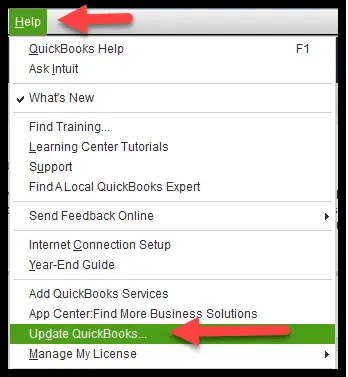
  • Update QuickBooks to the latest version by going to Help > Update QuickBooks.
Update QuickBooks Desktop
  • Close and reopen QuickBooks to complete the update installation.
  • Go to Company > Export Company File to QuickBooks Online.
  • Follow the onscreen prompts to complete the export.

2. Possible error messages 

Below are all the possible reasons for issues that may occur during migration and how to fix them:

To fix thi s: Open QuickBooks Desktop. Locate your company file data. Exit QuickBooks Desktop. Copy the company file path to a new folder on the local C-drive. Example: C:\new folder\mycompany.qbw.In QuickBooks Desktop, open your company file from the new location. Navigate to Company. Choose Export Your Company File to QuickBooks Online.Why is this happening? How do I fix it? 
Please delete all employees already entered in QuickBooks OnlineWhen migrating your data, QuickBooks Online cannot replace employees. This is because they are linked to payroll items, year-to-year history, and other payroll settings.QuickBooks Online does not allow you to delete employees or payroll history. To move such data, you will need to create a new QuickBooks Online company without setting up payroll.
Your file is too big to exportThe QuickBooks Desktop company file has a certain size limit with targets:

For QuickBooks Desktop Pro/Premier 2022 (latest release or newer), the target limit is 4,000,000 targets.

QuickBooks Desktop Enterprise: 4,000,000 targets
Launch QuickBooks Desktop. Press F2 or Ctrl+1 to open the Product Information window. Now, verify the number of targets. 
There was a problem checking this company for import eligibilityYou’ll see this if:You might not be a primary admin, company admin, or accountant in the QuickBooks Online company.Problems with the QuickBooks Online Payroll account services.Before importing your data, you didn’t sign in to your Online account.The setup interview isn’t completed in QuickBooks Online. You might be trying to move the data more than 60 days after your subscription start date.To fix this: Sign in to your QuickBooks Online company. Now, set up your interview questions. Sign in to QB Online as a primary or company admin to move your data from QuickBooks Desktop. Save your company address again. 

If you continue seeing the error, the simplest way to resolve this is to set up a new Online account. Remember to cancel your previous subscription first.
We can’t export your data. It may be on a network driveYou’ll see this if your Desktop company is stored on a drive other than your local C drive, or if it’s open in multi-user mode.Open QuickBooks Desktop.Locate to your company file. Exit QuickBooks. Copy the company file path to your local C-drive.Now, try to open your company file in QuickBooks using the new location. Navigate to File and choose Switch to Single-user Mode.Go to Company and choose Export Your Company File to QuickBooks Online.
Export QBDT data to QBO: ERRORYou’ll encounter this when the path to your company file is longer than 4 directories deep. Example, C:\My Stuff\QuickBooks files\Your Company\2016\Work Files\data.qbw.Sign in to the QuickBooks Online company. Go to Settings at the top and choose Subscriptions and billing. Select Resubscribe, or Subscribe, and update your billing information. 
Error: FAILEDYou may see this message if your QuickBooks Desktop is up-to-date. Update the company file and then try to migrate your QuickBooks Online again. 
Error: You can’t import because the QuickBooks Online company has been cancelledYou will see this error message if you don’t have the QuickBooks Online company subscription. Sign in to the QuickBooks Online company. Go to Settings at the top and choose Subscriptions and billing.Select Resubscribe, or Subscribe, and update your billing information. 

3. Post-conversion issues

a. Issue: Customer balances are off in QuickBooks Online

If you’ve used journal entries to apply payments to invoices, importing them may break the links between credits and invoices, which can cause customer balances to be inaccurate. To fix this, you can enable automatic credit application in QuickBooks Online:

  • Go to Settings (gear icon) and select Account and Settings.
  • Click the Advanced tab, then choose Edit under the Automation section.
Click on Advanced tab
  • Turn on the Automatically apply credits slider.
  • Select Save, then Done.

If you prefer not to apply all payments automatically, you can instead match journal entry credits to existing invoices manually. This method lets you record payments on a customer-by-customer basis, ensuring balances remain correct.

b. Issue: Invoices or sales transactions were converted to journal entries after importing to QuickBooks Online

This problem can occur when your Desktop file has sales tax items or groups with flat rates of 0.00. It is particularly common in Mac files, as QuickBooks allows a sales tax item to be saved without including a percentage (%) sign.

When this happens, sales transactions may incorrectly convert into journal entries during import. To prevent this, you should review and update all sales tax item rates in your file. If you have multiple items with flat rates, make sure to adjust each one so that every transaction imports accurately and reflects the correct sales tax.

Start using QuickBooks Online

quickbooks online setup

With this, the migration to QuickBooks Online is complete, and you’re all set with the cloud-based software. You can now set up and manage its features and enjoy advanced business management.

Conclusion 

Since no new version of QuickBooks Desktop is being released and the latest version may be discontinued in 2027, migrating to QuickBooks Online is a smart move. With this detailed guide, you’ll learn how to prepare, migrate from QuickBooks Desktop to QuickBooks Online, secure your data, and much more.

For further assistance with setup or getting started with QuickBooks Online, we highly recommend consulting QuickBooks professionals. Dial +1(866)500-0076 to talk to a QB ProAdvisor now!

Frequently Asked Questions 

How do I migrate from QuickBooks Desktop to QuickBooks Online?

You can easily move your QuickBooks Desktop to QuickBooks Online using the Intuit’s internal tool. The process involves a checklist in QBDT to prepare data, selecting your QBO destination, and waiting for an email notification when the transfer is complete, after which you verify the data in QBO.

How do I transfer QuickBooks Desktop to online after 60 days?

To transfer QuickBooks Desktop to Online after 60 days, you must create a new QuickBooks Online (QBO) company or cancel your current QBO subscription to start a new trial, as data cannot be imported into a QBO account older than 60 days.

Why is there no QuickBooks Desktop 2025?

Intuit has discontinued the separate “2025” desktop version. QuickBooks Desktop 2024 continues to receive updates and support for existing users. The company is focusing on cloud-based QuickBooks Online and subscription updates rather than year-based desktop releases.

How long does it take to migrate from QuickBooks Desktop to QuickBooks Online?

Migrating from QuickBooks Desktop to QuickBooks Online typically takes about 30 minutes to a few hours for the data transfer itself. However, the total project time can take 1 business week to plan and verify.

What doesn’t migrate from QuickBooks Desktop to Online?

When migrating from QuickBooks Desktop to Online, key items that do not transfer include customized forms/templates, memorized transactions, bank feeds/rules, and audit trails. 

Why do accountants not like QuickBooks Online?

Accountants often dislike QuickBooks Online (QBO) compared to desktop versions due to its limited reporting, less robust audit trails, slower performance, and inferior inventory/job-costing features. 

About The Author

Lana Creston

Lana Creston is an experienced technical and accounting writer with a total of 9 years of experience. She currently works on QuickBooks accounting and technical guides at QuickBookSupportNet. Lana has a passion for reading and writing about various technical topics, especially exploring new accounting methods and software, while continuously expanding her expertise in the ever-evolving field of finance and technology.

Quick, clear, and hassle-free QuickBooks assistance.

Get a Free Consultation with Our QB Tax Experts
Connect with Our Certified QuickBooks Professionals - Dial Tollfree: +1(866)500-0076