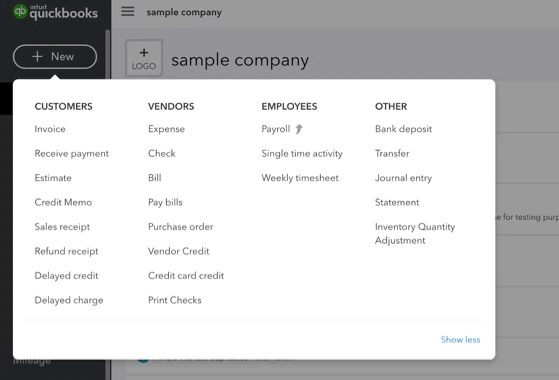

Inventory adjustments in QuickBooks help businesses correct stock quantities when the actual inventory differs from the quantity recorded in their accounting records. However, an adjustment may need to be removed if it was entered incorrectly, duplicated, or recorded for the wrong inventory item.
If you need to delete an inventory adjustment in QuickBooks, first identify the transaction and review its effect on inventory quantities and accounting balances. QuickBooks Online provides an option to locate, edit, or delete an inventory quantity adjustment. The exact steps for QuickBooks Desktop differ, so make sure you follow the instructions for your version.
In this guide, you will learn how to delete an inventory adjustment in QuickBooks Online, understand the differences between deleting and editing an adjustment, correct inventory quantities, and verify your inventory records after making changes.
Table of Contents
ToggleAn inventory adjustment is a transaction used to correct inventory quantities or values when they do not match the actual stock or accounting records. Businesses may need to record adjustments for damaged goods, missing items, stock-count differences, or previously entered errors.
If you need to set up products before correcting stock quantities, learn how to add inventory in QuickBooks.
For example, QuickBooks may show 100 units of a product in stock, while a physical inventory count reveals only 95 units. An inventory quantity adjustment can help bring the recorded quantity in line with the actual stock.
Depending on the QuickBooks product and transaction type, inventory adjustments can affect the inventory asset account and related expense or cost of goods sold accounts.
Common reasons to review an inventory adjustment include:
Before deleting a transaction, determine whether it should be removed entirely or corrected by editing its existing details.
Deleting an inventory adjustment can change the quantity on hand and affect inventory-related accounting balances. Before proceeding, review the following details.
1. Verify the transaction
Confirm the adjustment date, inventory items, quantities, adjustment account, and memo. Make sure you have selected the transaction you actually intend to remove.
2. Check the reason for the adjustment
If the transaction represents a genuine stock loss or inventory-count difference, deleting it may cause QuickBooks to display an incorrect quantity. In that situation, you may need to correct the transaction rather than remove it.
3. Review the accounting impact
Inventory adjustments can affect inventory asset balances and related expenses or cost of goods sold. If the adjustment belongs to a closed accounting period or affects financial statements that have already been prepared, consult your accountant before making changes.
4. Consider editing instead of deleting
If the adjustment is valid but contains an incorrect quantity, date, or other editable detail, modifying the existing transaction may be more appropriate than deleting it and creating another one.
5. Confirm your QuickBooks version
QuickBooks Online and QuickBooks Desktop use different interfaces. The instructions below for deleting an inventory quantity adjustment apply to QuickBooks Online. Desktop users should follow the workflow appropriate to their installed version.
QuickBooks Online lets you locate an inventory quantity adjustment through Advanced Search. After opening the transaction, you can review its details and select the Delete option.
Follow these steps to delete an inventory adjustment in QuickBooks Online.
Sign in to your QuickBooks Online account and open the correct company. Make sure you are working in the company file that contains the inventory adjustment you want to delete.
Select Search and then choose Advanced search. Depending on your interface, the search option or its labels may appear differently.
Advanced Search helps you locate specific transactions without having to browse through unrelated inventory records.
From the All Transactions dropdown, select Inventory Quantity Adjustment.
This filter narrows the search to the inventory quantity adjustments recorded in the company.
Choose the appropriate account from the Inventory adjustment account dropdown. Review any available filters and make sure they match the transaction you are trying to locate.
If you cannot find the adjustment, check the selected account and other search criteria before proceeding.
Select Search to display the matching transactions. Locate the adjustment you want to remove and open it.
Review the transaction date, affected items, quantities, and other available details. If multiple adjustments appear, verify the information carefully before selecting one.
Once you have confirmed that you opened the correct inventory quantity adjustment, select Delete.

If QuickBooks asks you to confirm the deletion, review the prompt before proceeding. Do not delete the transaction if you are uncertain whether it is the correct entry.
After deleting the adjustment, return to the relevant inventory records and reports. Check the affected items to confirm that the quantities and inventory balances reflect the intended correction.
If the results are unexpected, review the other inventory transactions affecting those items and consult your accountant if necessary.
Important: Deleting an inventory adjustment can significantly affect your accounting. If you are unsure whether deletion is appropriate, seek professional accounting guidance before making the change.
For additional guidance, refer to Intuit’s official instructions: Adjust inventory quantity on hand in QuickBooks Online.
QuickBooks Desktop uses a different inventory adjustment interface from QuickBooks Online. Do not follow the Online navigation steps above when working in Desktop.
If you need to correct an inventory adjustment in QuickBooks Desktop, first identify the original transaction and review the affected inventory items, adjustment date, and account. Determine whether the transaction should be corrected or removed before making changes.
To review inventory adjustments and their effects in QuickBooks Desktop:
The precise procedure for opening and deleting an existing transaction can depend on the Desktop version and the transaction details. Verify the deletion workflow against your installed version rather than assuming that the QuickBooks Online steps apply.
For official instructions on inventory adjustments in QuickBooks Desktop, see Adjust your inventory quantity or value in QuickBooks Desktop.
Deleting an inventory adjustment is not always necessary. If the original transaction is valid but contains an incorrect quantity or other detail, editing it may be a better option.
In QuickBooks Online, you can locate an inventory quantity adjustment through Advanced Search and open it for editing.
The available fields and editing options depend on the transaction and QuickBooks interface.
If the adjustment was entered correctly and represents a genuine stock difference, retain the transaction unless there is a valid accounting reason to change it.
Sometimes, the problem is not an incorrect transaction but a difference between the actual stock and the quantity recorded in QuickBooks. In that case, you may need a new inventory quantity adjustment rather than deleting an existing one.
Before making a correction, count the actual stock and compare it with the quantity shown in QuickBooks. Review recent purchases, sales, returns, and inventory adjustments to identify the reason for the difference.
These steps apply to QuickBooks Online subscriptions that support inventory tracking, such as QuickBooks Online Plus and Advanced. Menu labels can vary by interface.
Do not record a new adjustment simply to hide a discrepancy. First investigate the cause and ensure that the correction reflects the actual stock and appropriate accounting treatment.
For additional instructions, see Intuit’s QuickBooks Online inventory adjustment guide.
QuickBooks Desktop provides an Adjust Quantity/Value on Hand workflow for inventory adjustments. The available fields and options vary by version.
Review the existing inventory records before making a correction. Use the appropriate adjustment type, date, and account for the situation, and verify the resulting quantities and values afterward.
See Intuit’s QuickBooks Desktop inventory adjustment instructions for version-specific guidance.
After deleting or editing an inventory adjustment, review the affected inventory items and relevant reports. This helps you identify unexpected changes and confirm that the correction has achieved its intended purpose.
Use the following checklist:
For QuickBooks Desktop, Intuit recommends reviewing the Inventory Valuation Summary to check inventory value and Inventory Stock Status by Item to check quantities. The available reports differ between QuickBooks products.
Deleting an inventory adjustment in QuickBooks can help correct an incorrectly recorded transaction, but the change should be made carefully. In QuickBooks Online, you can locate the inventory quantity adjustment through Advanced Search and delete it after verifying its details. QuickBooks Desktop uses a different interface, so its procedure should be checked against the installed version.
Before removing an adjustment, determine whether editing the transaction or recording a new inventory correction would be more appropriate. After making any change, review the affected inventory quantities, values, and accounting records to confirm that they reflect the intended result.
Yes. You can locate an inventory quantity adjustment through Search and Advanced Search, select the appropriate transaction type, open the adjustment, and select Delete. Review the accounting impact before confirming the deletion.
The procedure differs from QuickBooks Online. Identify the transaction in your Desktop company file and verify the appropriate deletion workflow for your version before making changes.
Deleting an inventory adjustment can change the recorded inventory quantity and affect related inventory asset and expense balances. Review the affected items and accounting reports after making the change.
Delete an adjustment when the transaction itself should not exist and deletion is appropriate. Edit an existing adjustment when it represents a valid transaction that contains incorrect details. The correct choice depends on the circumstances and accounting impact.
Compare the recorded quantity with the actual stock and review related purchases, sales, and adjustments. If an existing adjustment is incorrect, determine whether to edit or delete it. If the difference represents a genuine stock change, record an appropriate adjustment.
Available editing options depend on the QuickBooks product and transaction. In QuickBooks Online, the inventory adjustment account can be reviewed and changed when editing an adjustment where the interface permits it. Consider the accounting consequences before changing the account.
Review the relevant inventory valuation reports. In QuickBooks Desktop, the Inventory Valuation Summary provides inventory value information, while Inventory Stock Status by Item helps review quantities. QuickBooks Online provides its own inventory reports and product records.
Lana Creston is an experienced technical and accounting writer with a total of 9 years of experience. She currently works on QuickBooks accounting and technical guides at QuickBookSupportNet. Lana has a passion for reading and writing about various technical topics, especially exploring new accounting methods and software, while continuously expanding her expertise in the ever-evolving field of finance and technology.
How to Fix QuickBooks Outlook Is Not Responding
Nov 13, 2026