
A Troubleshooting Guide for QuickBooks Error 0x800701b1

Jan 30, 2026

Admin |

Estimated Read Time : 5 MIN

QuickBooks error 0x800701b1 usually occurs when users try to access company files stored on an external drive, USB device, or network location. This error often appears with the message, 

A device which does not exist was specified,” 

indicating a connection or hardware-related issue. Such disruptions can prevent users from opening, saving, or backing up QuickBooks data, affecting daily accounting operations. In this guide, we’ll explain why QuickBooks error 0x800701b1 occurs and walk you through effective troubleshooting steps to resolve it smoothly and restore normal workflow.

What Causes Error 0x800701b1 in QuickBooks? 

The following are the most common causes why you encounter error 0x800701b1 in QuickBooks Desktop: 

  • Corrupted or inaccessible QuickBooks company file
  • Faulty or disconnected external storage device
  • USB port or cable malfunction
  • Outdated or corrupted device drivers
  • Hard disk errors or bad sectors
  • Windows system file corruption
  • Interrupted file transfer or power issues
  • Network drive connectivity problems

Top 9 Solutions to Troubleshoot QuickBooks Error 0x800701b1

This guide outlines the top 9 troubleshooting solutions for QuickBooks error 0x800701b1, an error often triggered by drive communication failures, corrupted sectors, or outdated device drivers.

1. Restart your computer

Although it may seem basic, restarting the system is an essential troubleshooting step, as it clears temporary system processes and reinitializes USB and disk drivers that may be causing the error.

2. Restore a backup company file 

Restoring a backup copy of the company file helps eliminate issues caused by file corruption or incomplete data transfers that may trigger QuickBooks error 0x800701b1. A clean, previously saved backup ensures data integrity and allows QuickBooks to access the file without encountering drive communication or permission-related conflicts.

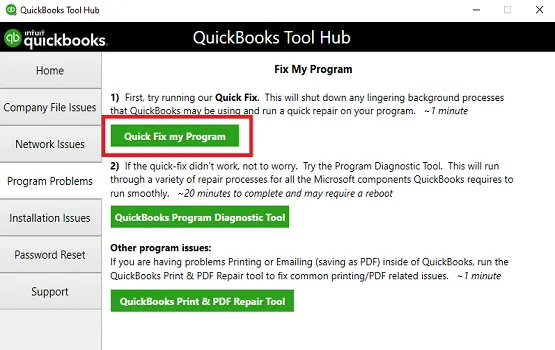
3. Run Quick Fix my Program

The Quick Fix my Program will shut down the QuickBooks processes running in the background and then runs a quick repair to the program. 

Important Note: You’re required to download and install QuickBooks Tool Hub (1.6.0.8). For the best experience, use Windows 11 (64-bit).
  • Lunch the QuickBooks Tool Hub. 
  • In the left menu bar, select Program Problems
  • Click on Quick Fix my Program.
Quick Fix my Program
  • Open QuickBooks Desktop and then your company file. 

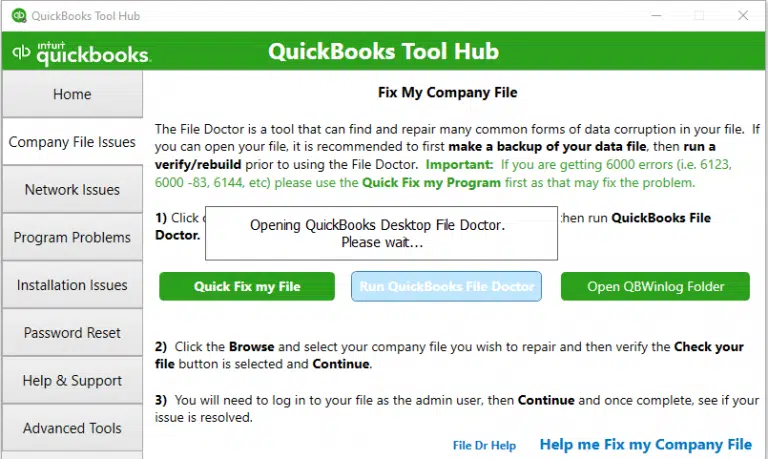
4. Run QuickBooks File Doctor

The QuickBooks File Doctor checks for potential damage and network connectivity issues in the company file and then quickly repairs them. Let’s see how to run this utility:

  • Launch the QuickBooks Tool Hub. 
  • Go to Company File Issues in the left menu bar. 
  • Click on Run QuickBooks File Doctor. The usually takes up to one minute or more to open; wait until then.
QuickBooks File Doctor Tool

Note: If the QuickBooks File Doctor doesn’t open, search for QuickBooks Desktop File Doc in the search bar and open it manually. 

  • In QuickBooks File Doctor, choose your company file from the dropdown menu. If you don’t see the company file, click on Browse and search to find your file.
  • Select Check your file and click Continue
  • Type the QuickBooks admin password to allow the access and click Next

Scan duration varies based on the size of your company file and can take around 10–15 minutes. In some cases, the scan might still display an unsuccessful message even if the problem has already been resolved. Once the process is complete, reopen QuickBooks and access your company file.

5. Use the Verify and Rebuild Data utility 

Verify and Rebuild Data scans the company file, detects corruption, and repairs damaged lists or transactions, restoring file integrity that can trigger error code 0x800701b1.

a. Verify your company data

Scan your company file for possible errors or data damage using the Verify utility:

  • Navigate to Window.
  • Select Close All
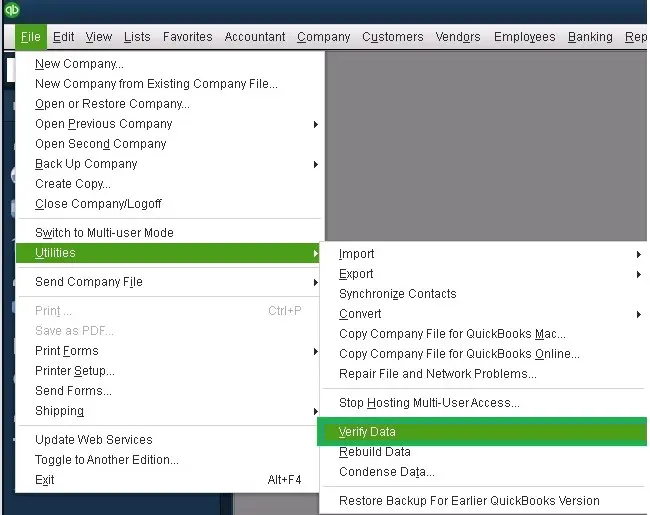
  • Go to File and then select Utilities.
  • Click on Verify Data.
verify and rebuild company file data

Results:

  • QuickBooks didn’t find any issues with your data”: Your file is in good shape, and no further action is needed.
  • If you see an error message: Look up that exact error on the QuickBooks Desktop support site to find the recommended fix.
  • Your data integrity is compromised”: This means QuickBooks detected damage in the company file. You’ll need to rebuild the data to correct the problem.

b. Rebuild your company file data

If the Verify tool reports data issues, run the Rebuild tool to repair the company file. You must create a backup before starting the rebuild process.

Note: If you’re using Assisted Payroll, contact QuickBooks Support before rebuilding your data.

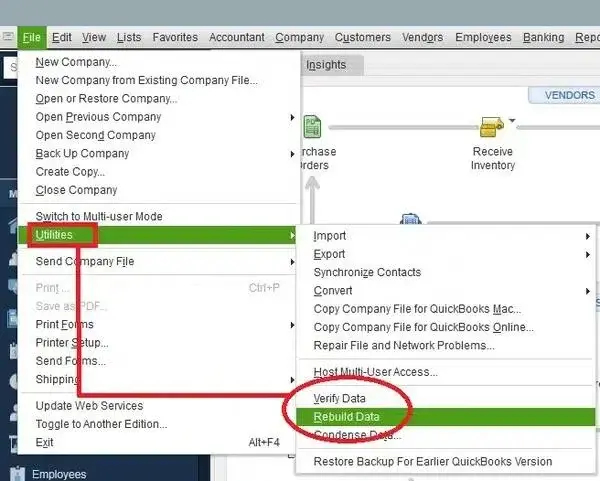
  • Navigate to File
  • Select Utilities, then click on Rebuild Data
Rebuild Data
  • Now, QuickBooks will ask you to create a backup before rebuilding the company file.
  • Click OK
  • Choose the location where you wish to save the backup and then click OK. Make sure not to replace the already existing company file. 
  • Enter a new name in the File name and click Save
  • Click OK when you see the “Rebuild has completed” message. 

6. Use a different USB port

A different USB port helps rule out faulty or unstable ports, ensuring a reliable connection to the storage device and preventing data access interruptions. 

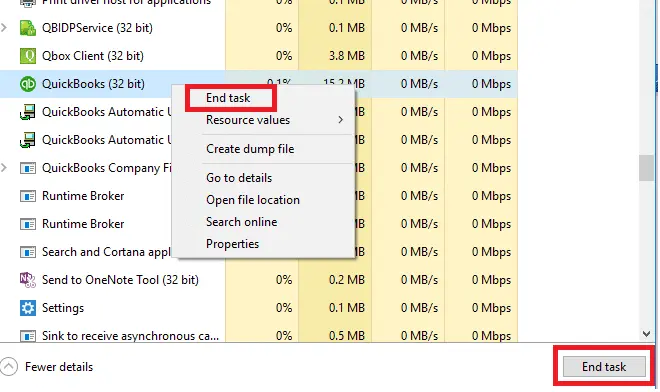
  • Press Ctrl + Alt + Delete to open Task Manager.
  • Go to the Processes tab.
End all the QB processes from Task Manager
  • End each running process one at a time.
  • Safely remove the USB storage device, then plug it into a different USB port.
  • Try transferring a test file to check if the issue persists.

7. Run CHKDSK

Running CHKDSK scans the drive for file system errors and bad sectors, repairing disk issues which may block you from accessing the data. 

a. Using the Graphical User Interface (UI)

  • Open File Explorer by clicking the folder icon on the taskbar.
  • Locate the drive you want to scan, right-click it, and choose Properties.
  • In the Properties window, open the Tools tab.
  • Under Error checking, select Check. For a full scan, enable both available options in the Check Disk window.
  • Click Start to begin. If the drive is currently in use, Windows will display a message saying it can’t be scanned. Choose Schedule disk check—your computer will restart and run the scan before Windows loads.

b. Using the Command-Line Interface

  • You can also run CHKDSK through the Command Prompt.
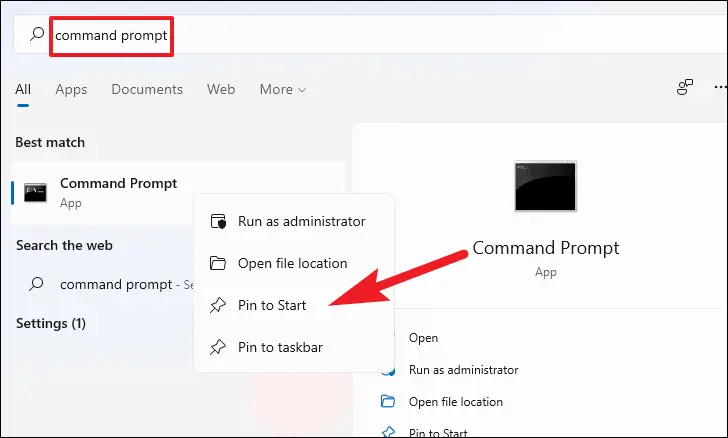
  • Open the Start menu and select Run.
  • Type cmd in the search field to open the Command Prompt.
  • Confirm by clicking OK.
  • From the results, right-click cmd.exe and choose Run as Administrator.
run as administrator
  • At the prompt, enter CHKDSK /f, then press Enter.

8. Update Device Driver

When you update the device driver, it refreshes hardware communication and compatibility, helping QuickBooks properly recognize and access connected storage without interruptions.

  • Right-click on the Windows Start icon. 
  • Choose Device Manager
  • In the prompted Device Manager, choose the arrow icon next to the desired category of device to expand the category. 
  • Select the arrow icon next to the category. For instance, select the arrow icon next to Printers to update the driver of a printer.
  • After the selected category expands, you will see multiple devices listed. Select and determine which device’s drivers needs to be updated. 
  • Right-click on the desired device and choose Update driver.
  • In the Update Drivers window, choose Search automatically for updated driver software. Windows will look for newer drivers and install them if available.
  • If no updates are found, you can check Windows Update by selecting Search for updated drivers on Windows Update, then follow the steps in Automatically get recommended drivers and updates for your hardware.
  • Click Close to exit the Update Drivers window.

9. Run the SFC scan

The SFC scan checks for and repairs corrupted Windows system files, restoring stability so QuickBooks can access storage and function smoothly.

  • While on the desktop, use the Windows + X keyboard shortcut.
  • From the list that appears, choose Command Prompt (Admin).
    Note: You may also run System File Checker from Windows PowerShell (Admin).
  • If the User Account Control dialog appears, select Yes to continue.
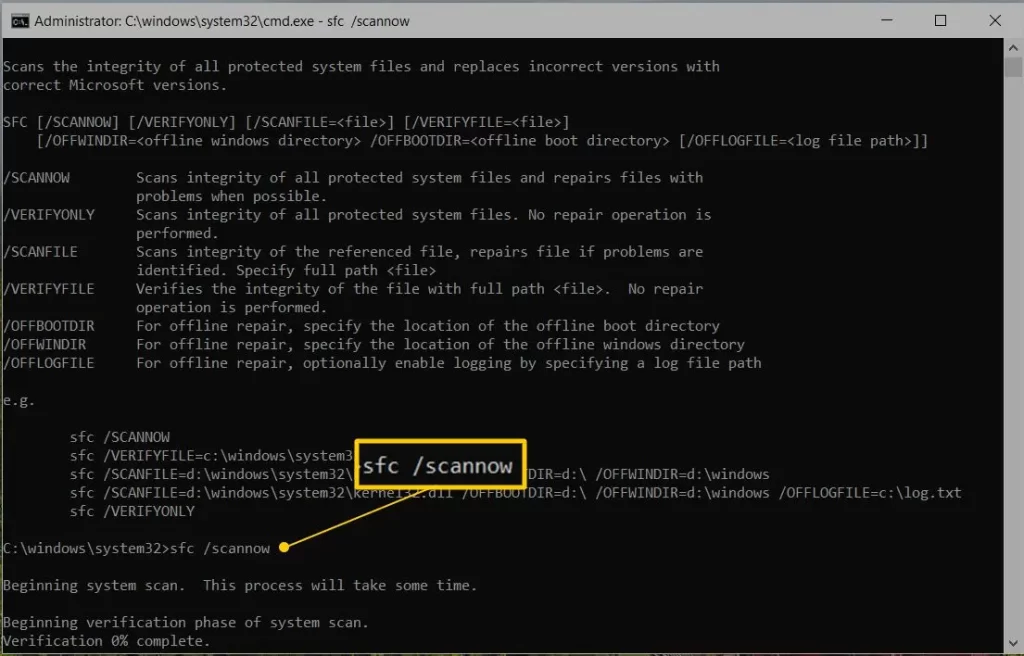
  • In the elevated command window, enter SFC /scannow and press Enter.
sfc scannow
  • The System File Checker tool will scan Windows system files for issues and automatically repair any problems it finds.
  • Once the scan finishes, restart the computer to apply the changes.

Conclusion 

In conclusion, QuickBooks Error 0x800701b1 can disrupt access to company files due to storage, system, or connectivity issues, but timely troubleshooting can restore normal operations. Applying the right solutions helps protect your data and minimize downtime. 

If the problem persists or occurs in multiple scenarios, professional assistance is the best option. Reach out to certified QuickBookSupportNet at +1(866)500-0076 for expert guidance and quick resolution. Get reliable help today and keep QuickBooks running smoothly.

Frequently Asked Questions 

How to fix error 0x800701B1?

Error 0x800701B1 (“A device which does not exist was specified”) typically indicates a failing external drive, power supply issues, or driver conflicts. 

What is error code 0x800701B1 when copying files?

Error code 0x800701B1 (“a device which does not exist was specified”) during file transfer indicates that Windows has lost connection to an external storage drive, often caused by insufficient power, a faulty USB port, or a failing drive.

How do I fix a QuickBooks update error?

To fix a QuickBooks update error, start by running the QuickBooks Tool Hub and using the “Quick Fix my Program” feature. If that fails, restart your computer, check your internet settings, and try running the update again. 

How do I restore a backup company file in QuickBooks?

To restore a QuickBooks Desktop backup company file (.qbb), go to File > Open or Restore Company, select “Restore a backup copy,” and follow the prompts to choose the file. Browse to your backup, select a save location for the new, restored file (.qbw), and confirm the action to avoid overwriting existing data. 

About The Author

Lana Creston

Lana Creston is an experienced technical and accounting writer with a total of 9 years of experience. She currently works on QuickBooks accounting and technical guides at QuickBookSupportNet. Lana has a passion for reading and writing about various technical topics, especially exploring new accounting methods and software, while continuously expanding her expertise in the ever-evolving field of finance and technology.

Quick, clear, and hassle-free QuickBooks assistance.

Get a Free Consultation with Our QB Tax Experts
Connect with Our Certified QuickBooks Professionals - Dial Tollfree: +1(866)500-0076