
Fix QuickBooks Error 1311 When Trying to Install QB Desktop

Dec 18, 2025

Admin |

Estimated Read Time : 5 MIN

Learn how to rectify QuickBooks error 1311 when installing the software. 

Error code 1311 typically appears with the message “Source file not found” during installation, indicating that the software is unable to access the necessary program files. This error is often caused by damaged or corrupted Windows components or issues with the program files needed for a successful installation.

In this guide, we’ll walk you through several troubleshooting steps to help you resolve Error 1311 and complete your QuickBooks installation without issues.

What Causes QuickBooks Error 1311 When Installing?

Explore the different reasons why you encounter QuickBooks error 1311 when trying to install the software:

  • Incompatible Windows OS or outdated 
  • Incorrect installation of QuickBooks
  • The program file might be damaged or corrupted 
  • Damages or corruption to the Windows OS 
  • The .NET Framework or MSXML is damaged or corrupted 

Top 6 Methods to Rectify Install Error 1311 in QuickBooks Desktop

In this section, we will explore various methods to resolve the root causes that are interrupting the installation and triggering error code 1311 in QuickBooks Desktop.

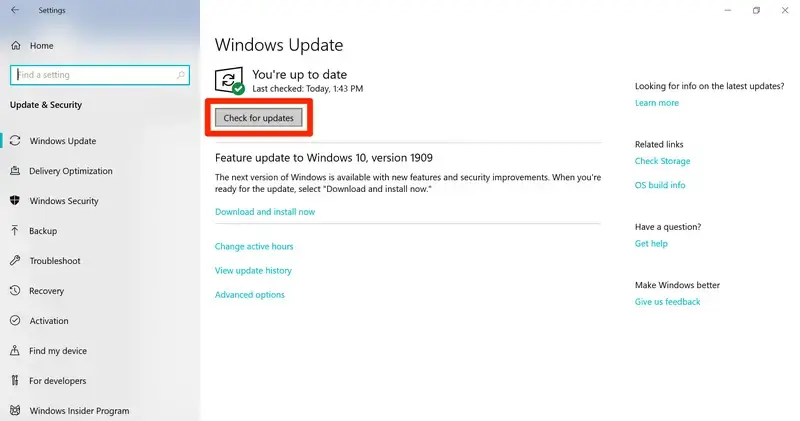
1. Update Windows OS

Make sure the QuickBooks installation doesn’t fail due to incompatibility with the Windows update. Get the Windows OS update using the steps below.

  • Select the Windows icon in the Taskbar.
  • Type Settings in the Windows Start menu.  
  • In the left menu bar, choose Windows Update
Windows update
  • Hit Check for Updates
  • If it shows updates are available, click on Download & Install
  • Once the update finishes, restart your computer. 
  • If you could install QuickBooks, open it, and then open your company file. 

If the error persists, try to install QuickBooks Desktop again. 

2. Repair QuickBooks Desktop 

If you are installing a QB update or reinstalling a program, make sure that the program files are not damaged and that other processes do not interfere with software processing.   

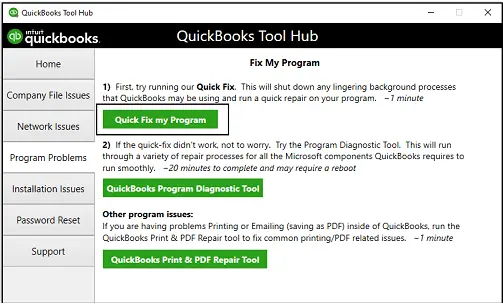
a. Run Quick Fix my Program 

The Quick Fix my Program will shut down the processes in the background that QuickBooks uses. It will also run a quick repair on the program. 

  • Open the QuickBooks Tool Hub
  • Go to Installation Issues in the left menu bar. 
  • Click on Quick Fix my Program.
Fix My program
  • Launch QuickBooks Desktop and then open the company file. 

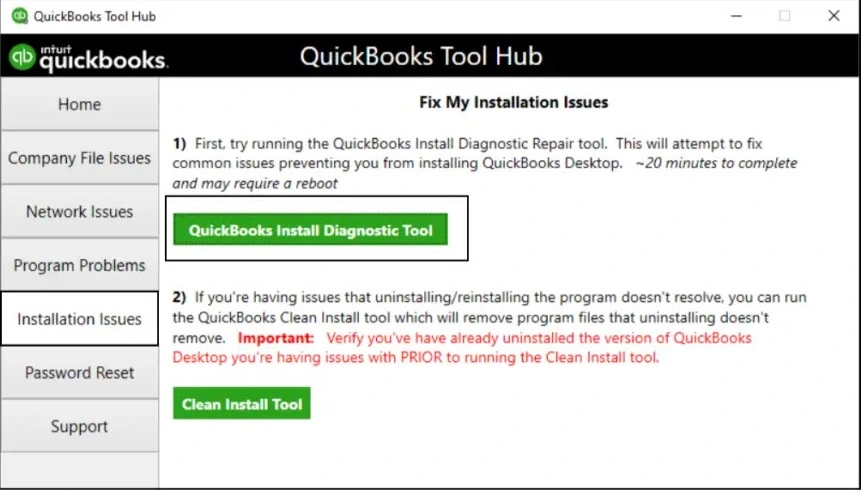
b. Run QuickBooks Install Diagnostic tool 

If an installation error occurs during QuickBooks installation, problems may arise when you run it. Run the QuickBooks Installation Diagnostic Tool to resolve common installation issues.

  • Launch the QuickBooks Tool Hub. 
  • Click on Installation Issues in the left pane. 
  • Choose QuickBooks Install Diagnostic Tool. The tool can take up to 20 minutes to run; let it run until then. 
QuickBooks Install Diagnostic Tool
  • When the tool finishes, restart your computer, open QuickBooks Desktop, and then try to open your company file.
  • Update QuickBooks to the latest release to make sure you use the most recent fixes and security patches.

3. Run the System File Checker 

The System File Checker (SFC) tool in Windows scans and repairs corrupted or missing system files

  • Press the Windows+X keys together. 
  • In the Quick Link menu, select Command Prompt (Admin).

NOTE: You can also run theSystem File Checker (SFC) from Windows PowerShell (Admin).

  • Click Yes on the User Account Control (UAC) prompt.
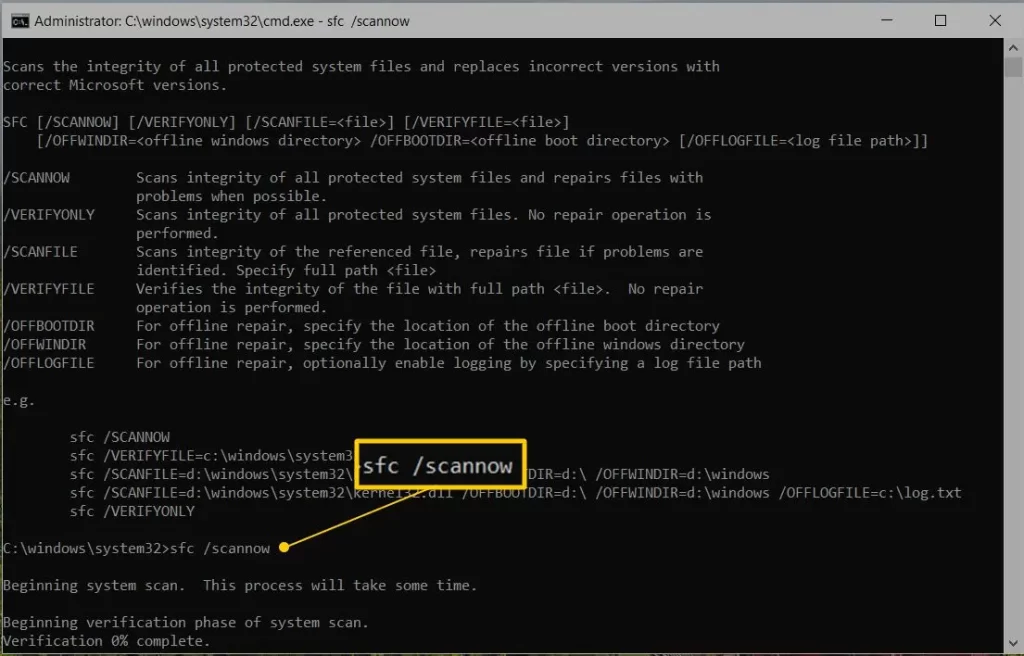
  • Type SFC /scannow in the command prompt. 
sfc scannow
  • Press the Enter key. 
  • The System File Checker utility will verify the integrity of Windows system files and run a quick repair on them. 
  • When done, reboot your computer. 

4. Configure Windows Firewall settings 

Windows Firewall is a system security application that controls the ports for incoming and outgoing data on your system. If it identifies any issues or threats to your computer, it may block the software installation or specific operations. Configure the Windows Firewall settings to allow the installation and running of the software on your computer. 

5. Manually fix the Windows components 

Repair the Windows components that are responsible for the software installation and causing QuickBooks error 1311.  

a. Repair or reinstall Microsoft .NET Framework

For the steps, only on Windows 10 or newer versions. 

  • Close all the open programs. 
  • Open the Windows Start menu. 
  • In the Windows search, type Control Panel
  • Press Enter.
  • Go to Programs and Features > Uninstall a Program

Note: We won’t uninstall anything here. 

  • Hit on Turn Windows features on or off.
  • In the service list, find .NET Framework.
  • Choose the .NET Framework 4.5 (or later) and .NET Framework 3.5 SP1 options.

Note: The steps are the same for .NET. Framework 4.5, 4.6, 4.7, and 4.8.

i. Check NET Framework 4.5 (or later)

If the .NET Framework 4.5 (or later) checkbox isn’t selected:

  • Mark the checkbox for .NET Framework 4.5 (or later) to enable it. 
  • Save the changes by clicking OK.
  • Restart your computer.

If the .NET Framework 4.5 (or later) checkbox is already selected:

  • Select the checkbox for .NET Framework 4.5 (or later) to turn it off. Make sure not to turn it on.
  • Click OK.
  • Restart your computer.
  • Once signed back into Windows, turn on .NET Framework 4.5 again.

ii. Check NET Framework 3.5 SP1

If the .NET Framework 3.5 SP1 checkbox isn’t selected: 

  • Select the checkbox for .NET Framework 3.5 SP1 to enable it.
  • Click OK.
  • Restart your computer.

If the .NET Framework 3.5 SP1 checkbox is already selected: 

  • Select the .NET Framework 3.5 SP1 option to turn it off. Do not turn it back on. 
  • Click OK
  • Restart your computer.
  • When signed back into Windows, turn .NET Framework 3.5 SP1 on again.

If you face any error when turning .NET Framework on or off, connect to an IT professional or Microsoft at TFN. The issue can be related to Windows OS or QuickBooks. 

b. Repair Microsoft MSXML

For a 64-bit operating system, register MSXML with these steps:

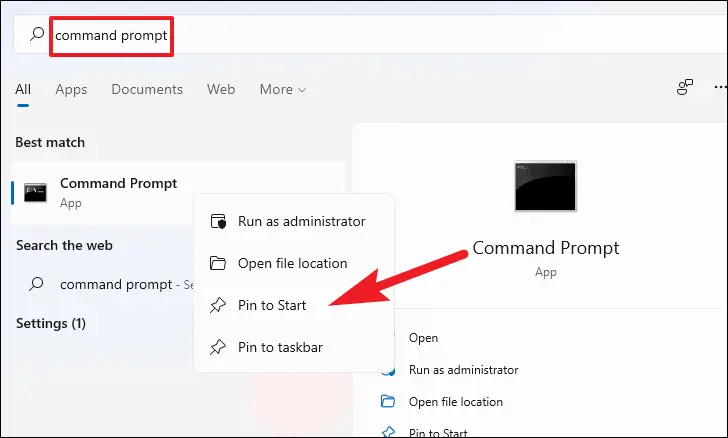
  • Press the Windows logo key on your keyboard. 
  • Type cmd in the Windows Start menu. 
  • Right-click on the cmd. 
  • Select Run as Administrator.
run as administrator
  • In the C: prompt, type cd\windows\syswow64.
  • Again, type regsvr32 MSXML6.dll and press the Enter key.
  • Try installing QuickBooks Desktop again. 

For a 32-bit operating system, register MSXML with these steps:

  • Press the Windows+R keys on your keyboard. 
  • In the Run command, type cmd.
  • Press the Enter key. 
  • Type regsvr32 MSXML6.dll > Enter.
  • Try installing QuickBooks Desktop again. 

6. Install QuickBooks in Selective Startup 

Third-party applications or programs, such as antivirus and anti-spyware programs, may block the QB installation. To avoid interruptions caused by these steps, install QuickBooks Desktop in Selective Startup.

Before getting started: 

a. Switch to Selective startup

  • Press the Windows+R keys together on your keyboard. 
  • In the Run command prompt, type msconfig and click OK.
  • Move to the General tab. 
  • Choose Selective startup and Load system services.
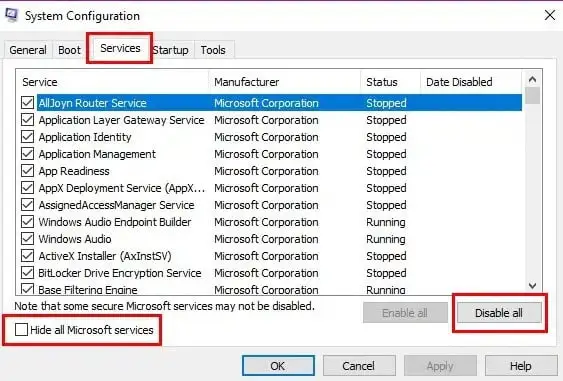
  • Navigate to the Services tab. 
  • Hit on Hide all Microsoft Services.
Hide-all-Microsoft-services
  • Click Disable all.
  • Clear the checkbox for Hide all Microsoft services.
  • In the list of services, select Windows Installer.
  • Click OK.
  • Select Restart in the System Configuration window.

b. Uninstall or install QuickBooks Desktop

  • Reinstall QuickBooks Desktop.
  • Press the Windows+R keys together to open the Run command
  • In the Run prompt, type msconfig and OK.
  • Navigate to the General tab and click on Normal startup.
  • Click OK.
  • Hit Restart on the System Configuration window.

Conclusion 

In conclusion, failing to keep systems fresh, updated, or reinstalled can hamper overall business management. Find out why you encounter QuickBooks error 1311 and the different methods to troubleshoot the error for a seamless installation.

For further assistance, it is recommended to consult your QuickBooks professionals available 24/7. Dial Call Us : +1(866)500-0076 to talk to a ProAdvisor now!

Frequently Asked Questions 

What is QuickBooks error 1311 source file not found? 

QuickBooks error 1311 source file not found occurs when trying to open or run the program and fails to access a required installation file, often due to a corrupted or missing file, damaged installation media, or insufficient permissions.

Why am I facing a QuickBooks install error? 

QuickBooks installation errors can be caused by Windows and program conflicts, insufficient permissions, or a corrupted installer. To fix these problems, run the QuickBooks Tool Hub’s diagnostic tool, update Windows, and check user permissions on your system folders.

How do I fix error code 1311 in QuickBooks? 

To fix error 1311 in QuickBooks Desktop, update QuickBooks Desktop, make sure Windows components are up to date, and configure Windows Firewall settings. If nothing works, try repairing QuickBooks Desktop and damaged or corrupted Windows files.

About The Author

Lana Creston

Lana Creston is an experienced technical and accounting writer with a total of 9 years of experience. She currently works on QuickBooks accounting and technical guides at QuickBookSupportNet. Lana has a passion for reading and writing about various technical topics, especially exploring new accounting methods and software, while continuously expanding her expertise in the ever-evolving field of finance and technology.

Quick, clear, and hassle-free QuickBooks assistance.

Get a Free Consultation with Our QB Tax Experts
Connnect with Our Certified QuickBooks Professionals - Dial Tollfree: +1(866)500-0076