
Top 10 Methods to Fix the QuickBooks Not Loading Problem 

Jun 25, 2026

Admin |

Estimated Read Time : 5 MIN

As QuickBooks Online is a web-based software, it allows you to easily access and manage your finances from anywhere using any device. However, sometimes browser or system-related issues can prevent QuickBooks from loading properly when you try to launch it for your accounting tasks. Whether the page won’t open, keeps buffering, or displays a blank screen, these problems can interrupt your workflow and delay important operations.

But you don’t need to worry—most QuickBooks Online loading issues are easy to identify and fix with a few simple troubleshooting steps. In this guide, we’ll walk you through the common causes behind these problems and provide effective solutions to help you get back to work quickly and smoothly.

Why QuickBooks Online Is Not Loading in Your Browser When Opening

If QuickBooks Online is not loading in your browser when you try to open it, several common issues may be responsible. The following are the key causes:

  • An older browser may not support QuickBooks Online properly
  • Stored data can interfere with page loading
  • Slow or unstable connectivity can prevent proper access
  • Essential browser settings may be turned off
  • Some tools may block QuickBooks scripts
  • Intuit might not be added as a trusted site
  • Security software may prevent access to QuickBooks services
  • Misconfigured settings can disrupt normal functionality 

Related Query – QuickBooks Reports Not Working

Resolve QuickBooks Not Loading Issues When Running on the Browser

In this section, we will explore the key troubleshooting steps you can follow to fix QuickBooks not loading in your browser and restore normal access quickly. These solutions will help you systematically identify and resolve common browser-related issues affecting performance.

1. Restart your computer

Restarting your computer clears temporary files, refreshes system processes, and resolves minor software conflicts that may prevent QuickBooks from loading. It resets memory usage and stops background tasks that could interfere with the application. This simple step often fixes glitches, improves performance, and ensures QuickBooks starts in a clean, stable environment.

2. Check your computer’s date and time

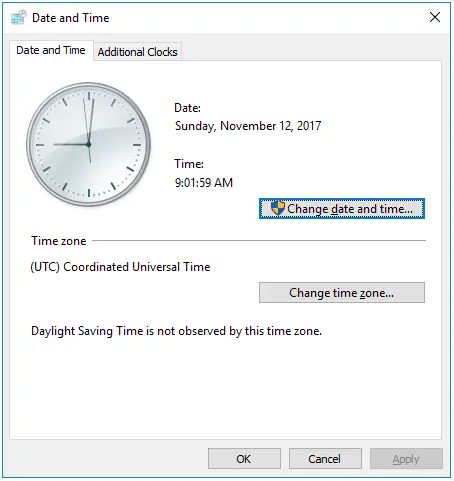
Incorrect system time causes security certificates to appear invalid, blocking data transmission. Let’s correct the date and time on your system with these steps: 

  • Press the Windows logo icon. 
  • In the Windows Start menu, type Settings
  • Select Time & Language in the left pane.  
  • In the Date and Time window, move to the Date & Time tab.
Date and Time
  • Choose Change under Change date and time select.
  • Now, set the correct date and time, and then click Change
  • Double-click in the notification area to verify the changes. 

3. Use a supported browser

As a next step, it’s important to ensure that you are using a browser that is officially supported for the best performance and compatibility. 

  1. Supported browsers
  • Google Chrome: Version 78 or newer
  • Mozilla Firefox: Version 76 or newer. 

Note: Keep in mind that on macOS, you’ll need the Firefox PDF plugin installed to view and print forms properly.

  • Microsoft Edge: version 75 or newer
  • Safari: version 12 or newer (Mac only)
  1. Mobile browsers 

a. iPhone / iPad

  • OS 11.1 or newer
  • Safari browser. 

Note: Make sure to keep the Private Mode off to allow the cookies. 

  • Other browsers like Chrome and Dolphin might function, but they are not officially supported.

b. Android smartphones and tablets

  • Nougat 7.1.1 or newer
  • Chrome browser
  • Browsers like Firefox and Opera may still function, but they are not officially supported.

c. Microsoft Surface

  • Microsoft Edge 

4. Update browsers on your computer 

Keeping your browser updated on your computer not only improves performance and compatibility but also enhances security and provides access to the latest features. Here’s how you can do it:

  1. Google Chrome

Follow these steps to update Google Chrome on your computer: 

  • From the top right corner of the browser, click on the three-dot menu.
  • Go to Help.
  • Choose About Google Chrome.
  • Now, Google Chrome will automatically check for available updates and apply them.  
  • When done, relaunch the browser to finish. 
  1. Mozilla Firefox

Here’s how to keep Mozilla Firefox up-to-date:

  • Select the menu button in the top-right corner. 
  • Go to Help
  • Select About Firefox
  • You will be prompted to open, and Firefox will automatically check for and download updates. 
  • When done, click on Restart to update Firefox.
  1. Safari

To update the Safari browser on your Mac, follow these steps:

  • You must update macOS to update the browser. 
  • Go to Settings.
  • Choose General and click on Software Update
  • Safari is part of the Mac system, so it updates automatically when you update your Mac. 

On iPhone/iPad

  • Navigate to Settings
  • Select General
  • Click on Software Update to get the latest Safari version.
  1. 4. Incognito/Private mode

Another effective step to help resolve the QuickBooks Online not loading issue is to try accessing it in Incognito or Private mode.

  • Mozilla Firefox: CTRL + Shift + P
  • Microsoft Edge: CTRL + Shift + N
  • Google Chrome: CTRL + Shift + N
  • Safari: Command + Shift + N 

5. Disable browser extensions/Add-ons

Additionally, you can try disabling browser extensions or add-ons, as the steps to manage them may vary depending on the browser you’re using. 

a. Google Chrome

  • Launch Google Chrome.
  • Click the three-dot menu in the top-right corner.
  • Select More tools, then choose Extensions.
  • The Extensions page will open. To turn off an extension, switch the blue toggle to grey.
  • To delete an extension, click the Remove option.

b. Mozilla Firefox

  • Open Mozilla Firefox.
  • Click the menu icon in the upper-right corner.
  • Choose Add-ons from the menu.
  • In the Add-ons Manager, select Extensions from the left panel.
  • Find the extension you want to manage.
  • Use the toggle switch to disable it (blue to grey), or click the menu button next to it and select Remove to uninstall..

c. Safari

To disable or remove an extension in Safari for macOS, follow these steps.

  •  Open Safari and click Safari in the top menu bar.
  •  Select Preferences.
  •  Go to the Extensions tab.
  •  Uncheck the box beside any extension to disable it.
  •  To uninstall, select the extension and click Uninstall.

d. Microsoft Edge

  • Open Microsoft Edge.
  • Click the three-dot menu in the upper-right corner.
  • Select Extensions.
  • Toggle the switch to grey to disable an extension.
  • To remove one, hover over it, click the settings (gear) icon, and choose Uninstall.
  • Confirm by clicking OK in the prompt.

6. Close unnecessary programs

Close the program and disable the preference by following these steps:

  • Right-click the taskbar and open Task Manager.
  • Navigate to the Processes tab and sort by Image Name.
  • Locate all QuickBooks-related processes, select them individually, and click End Process.
  • Ensure that only QuickBooks processes are terminated, then close Task Manager.
  • Finally, exit SmartVault from the system tray.

7. Use a different computer or network

To access QuickBooks Desktop on another computer or across a network, you need to configure Multi-User Mode so the company file can be shared from a designated host system. Begin by installing QuickBooks on both the host computer and the workstation. Then, enable folder sharing on the host machine, and map the shared network drive on the other computer. Finally, use the QuickBooks Database Server Manager to scan the folders and ensure the company files are properly hosted and accessible over the network.

8. Internet security, antivirus, or Firewall settings

Internet security settings, antivirus software, or firewall configurations can sometimes interfere with QuickBooks Online and cause it not to load properly. These programs may block essential scripts, cookies, or network requests by mistakenly identifying them as potential threats. As a result, the platform may fail to open or function correctly.

By reviewing and adjusting these settings—such as adding QuickBooks to the trusted list or allowing required permissions—you can eliminate these restrictions and restore smooth, uninterrupted access.

9. Add Intuit as a Trusted site

Reduce loading issues and improve connectivity is to add Intuit as a trusted site in your browser settings. This ensures that QuickBooks and its related services are allowed to run without unnecessary restrictions from security filters or blocked permissions.

  1. Add Intuit: Google Chrome
  • Click the Customize and control Google Chrome (⋮) icon and choose Settings.
  • From the left panel, go to Privacy and security, then select Site settings.
  • Click on Third-party cookies.
  • Under Allowed to use third-party cookies, select Add.
  • Type *.intuit.com and click Add to confirm.
  1. Add Intuit: Safari
  • Open Safari and type *.intuit.com in the address bar, then press Enter.
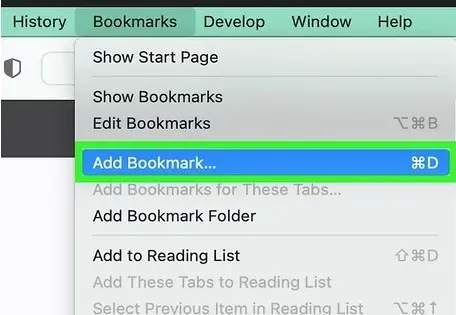
  • Click Bookmarks and choose Add Bookmark
Add bookmark
  • In the dropdown next to Add this page to:, select Favourites.
  • Click Add to save it.
  1. Add Intuit: Microsoft Edge
  • Click the menu (… ) icon and open Settings.
  • In the left panel, choose Cookies and site permissions, then select Manage and delete cookies and site data.
  • Under the Allow section, click Add.
  • Enter *.intuit.com and select Add to apply the changes.

10. Clear your browser’s cache

Your browser’s cache saves files on your computer to load websites faster on your next visit. But it also gets outdated over time, which can cause issues. Follow the steps to clear the cache for your browser:

  1. Firefox
  • Click the menu button and select Settings.
  • Select the Privacy & Security panel.
  • In the Cookies and Site Data section, click Clear browsing data.

The Clear browsing data and cookies dialog will open.

  • On the dropdown next to When choose Everything. Make sure that only the Temporary cached files and pages option is check marked.
    • For more information about managing site data, see Manage local site storage settings.
  • Click the Clear button.
  • Close the Settings page. Any changes you’ve made will automatically be saved.
  1. Google Chrome
  • On your computer, open Chrome.
  • At the top right, click More More and then Delete browsing data.
  • Choose a time range, like Last hour or All time.
  • Select the types of information you want to remove.
  • Click Delete data.
    • If you delete cookies while signed in to Chrome, Chrome refreshes the Google cookies that keep you signed in. This happens so that Chrome can continue to work as you expect. To delete Google cookies, sign out of Chrome first.
  1. Safari for Mac
  • Go to the Safari app on your Mac.
  • Choose History > Clear History, then click the pop-up menu.
  • Choose how far back you want your browsing history cleared.
  1. Safari for iPad and iPhone
  • Go to Settings, tap Apps, then select Safari.
  • Scroll down and tap Clear History and Website Data.

Confirm the timeframe that you want to clear, then tap Clear History. This doesn’t change your AutoFill information. If this button is gray, there is either no data to clear, or you might need to check your web content restrictions in Screen Time.

  1. Microsoft Edge
  • Open Settings and more, then go to Settings > Privacy, search, and services.
  • Under Clear browsing data, click Choose what to clear next to Clear browsing data now.
  • Use the Time range dropdown to select the desired period.
  • Pick the types of data you want to remove.

For instance, you might clear browsing history and cookies while keeping saved passwords and autofill data.

  • Click Clear now to proceed.

Once the cache has been cleared, restart your browser to ensure the changes take effect.

11. Clear Intuit-specific cookies from your browser

In most cases, clearing your browser’s cache resolves issues. However, if the problem continues, you can delete cookies specifically related to Intuit. This refreshes site settings that may be affecting your experience with QuickBooks.

Note: Only remove cookies associated with Intuit.

Google Chrome

  • Click the More (⋮) icon in the top-right corner.
  • Go to Settings > Privacy and security.
  • Select Cookies and other site data, then click See all cookies and site data.
  • Use the search bar to look for “intuit” cookies.
  • Click Remove all shown or use the trash icon to delete them.
  • Restart Chrome to apply the changes.

Mozilla Firefox

  • Click the Menu (☰) icon in the top-right corner.
  • Open Settings, then go to Privacy & Security.
  • Under Cookies and Site Data, click Manage Data.
  • Search for “intuit” and press Enter.
  • Click Remove All Shown, then select Save Changes.
  • Restart Firefox to complete the process.

Safari

  • Open Safari, then click Safari next to the Apple icon in the top-left corner.
  • Choose Preferences (or Settings), then go to Privacy.
  • Select Manage Website Data.
  • Search for “intuit” cookies.
  • Click Remove All, then Remove Now, and select Done.
  • Restart Safari to ensure the updates take effect.

Conclusion

Finally, we are concluding this blog with a detailed, comprehensive guide on QuickBooks not loading. We have discussed a variety of possible reasons that can prevent QuickBooks Online from opening in your browser, along with effective troubleshooting steps to resolve the issue. Following the above solutions ensures that most common browser-related problems are fixed and you can access QuickBooks without interruptions.

If the issue persists or you need further assistance, it is highly recommended to consult a QuickBooks professional. Dial 866-500-0076 to connect with a QuickBooks ProAdvisor now!

Frequently Asked Questions

Why will my QuickBooks not load?

QuickBooks Online may not load due to accumulated browser cache/cookies, using an unsupported or outdated browser, unstable internet, or special characters in your company name. Other causes include using multiple browser tabs simultaneously or browser extensions (like ad blockers) interfering with functionality.

Why is QuickBooks Desktop not opening?

QuickBooks Desktop may not open due to a damaged QBWUSER.INI file, a corrupt installation, or background processes hindering launch. Common causes also include expired subscriptions, company file damage, or security software blocking the program. The most effective solutions involve running the QuickBooks Tool Hub to run “Quick Fix my Program“.

Why isn’t QuickBooks Online opening?

QuickBooks Online may not be opening due to browser issues (cache/cookies), an unstable internet connection, or temporary service outages. To resolve this, try clearing your browser’s cache, using an Incognito/private window, updating your browser, or restarting your computer.

About The Author

Lana Creston

Lana Creston is an experienced technical and accounting writer with a total of 9 years of experience. She currently works on QuickBooks accounting and technical guides at QuickBookSupportNet. Lana has a passion for reading and writing about various technical topics, especially exploring new accounting methods and software, while continuously expanding her expertise in the ever-evolving field of finance and technology.

QuickBooks Desktop 2023 is ending — Upgrade QuickBooks Desktop 2023 to 2024 for continued performance and support.

Get a Free Consultation with Our QB Tax Experts